2025.12
10
The History of Nama in the USA: A retail perspective from True Sake, America’s First Sake Store
Namazake is a style of sake that skips the two routine pasteurizations normally applied to seishu. It is the capture of the raw essence of sake itself, where live, active enzymes have not been subdued by heat.
In Japan, a well-developed cold chain system protects these delicate products. Because transportation within the country is short, namazake reaches consumers fresher than it ever could in export markets. But when did namazake steal the hearts of drinkers in the West? This love affair has a unique history… one that began alongside the growing demand for Japanese cuisine in the latter part of the 20th century.
Beau Timken is the founder of True Sake, a retail shop that is not only the first sake store in America, but indeed the first sake store outside of Japan. From his vantage point, he witnessed sake’s early rise in popularity in the U.S. and a budding fascination with namazake in particular.
- Japanese Restaurants in NYC were the First to Champion Sake in the U.S.
- Importing and Distribution Woes
- JPSI Changes the Imports and Distribution Game
- Education is the Key to Enjoying Sake
- Namazake is the Coolest Kid on the Sake Block
- Cold Chain Apprehension Creates Cold Feet
- Where Nama is Headed into the Future
Japanese Restaurants in NYC were the First to Champion Sake in the U.S.
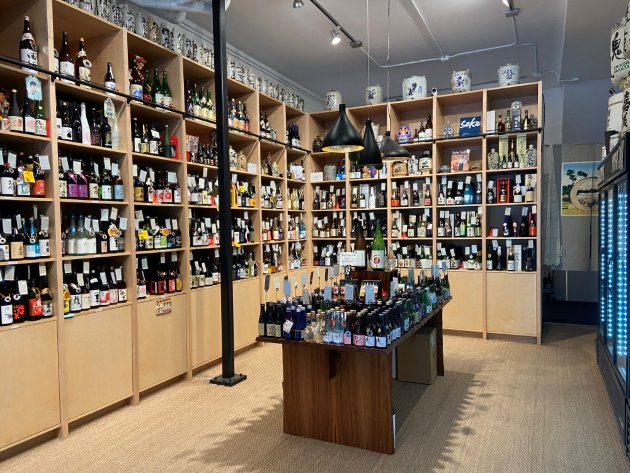
In the late 1990’s, restaurants that were interested in sake were mostly rooted in Japanese cuisine and wanted to offer authentic Japanese alcoholic beverages on their menus. The natural choice was beer and sake.
“It came down to demand,” Beau said. “Demand was the driver. There is no other driver for sake than demand. Demand for sake was concentrated in the Japanese restaurants in NYC. They were the ones probably asking for better sake and the first nama before I came along.”
Steakhouses and other types of restaurants, he noted, weren’t asking for sake. “True Sake is important because we created the first pipeline for the demand directly to retail,” Beau explained, “We represented retail.”
A few years after True Sake opened, Beau spoke to many chefs in the US market who eventually realized that sake can be a great source of revenue. “It was the first time they realized that premium sake was a profit center. They’d never thought of it initially.”
At the time, demand for sake fell into two extremes: high-end premium labels or inexpensive, generic brews. The high-priced and low-priced sake moved and there was not yet demand for namazake or even mid-grade priced sake.
Importing and Distribution Woes
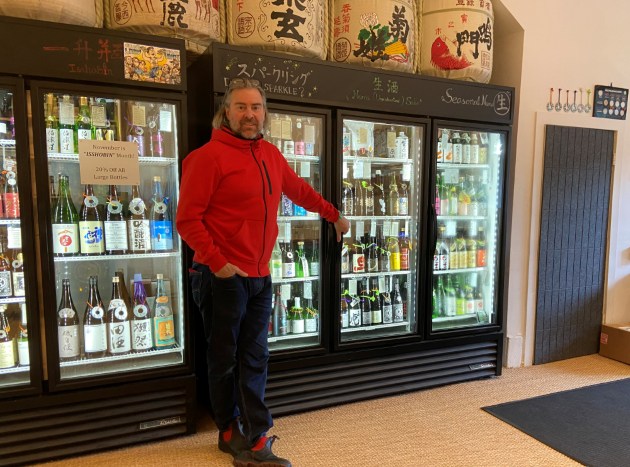
Before the ‘golden days’ of nama imports, it was first necessary to bring sake to the U.S. in stable condition. Beau recalls;
“When I stocked the store for the first time, they delivered me six cases of four-year-old Daiginjo. I returned it. Then the owner called and said, ‘Nobody returns sake, why are you returning this?’ I said, ‘You shouldn't sell this sake because somebody's first sip of sake is going to be your four-year-old sake and you are going to lose customers right there.’”
At the time, sake was treated as a non-perishable product in unrefrigerated containers. Importers either didn’t know or didn’t care about its perishability. There was no market for nama yet. Instead, double pasteurized sake was the norm; some of which was old and expired. That began to change when one buyer finally refused a shipment for being too old. The distributors realized they needed to start thinking of sake as a perishable product, one best sold in smaller, fresher lots.
As for cuisine, Beau said, “In NYC, sake was beholden to sushi and sushi was sort of the King. Sushi was the carpet ride that sake rode.” As high-end sushi gained popularity, the demand for namazake in Japanese restaurants began to grow.
JPSI Changes the Imports and Distribution Game
Japan Prestige Sake International (JPSI) was the first company in the U.S. dedicated to importing and distributing sake, and the first to ship namazake in refrigerated containers. The late Kazu Yamazaki from JPSI believed deeply in nama and championed the idea of treating sake as a perishable product. Brewers were not naive about the risks of spoilage, but the prospect of selling their product in the U.S. and keeping it cold throughout shipment was enticing. Among the first namazake imported were Ichinokura Junmai Nama and Okunomatsu Formula Nippon. The latter was considered highly prestigious and was likely shipped by air.
Once a reliable cold chain made it possible to bring nama safely into the country, Beau recalls, “The first non-japanese importers saw value in namazake and decided to start shipping unpasteurized sake from breweries they were already working with.”
This demand was being filled by importing companies such as World Sake Imports (WSI) founded by Chris Pearce in 1998 and Vine Connections, a wine and sake imports company founded by Nick Ramkowsky and Ed Lehrman. Whether dealing in nama or pasteurized sake, both companies respected premium sake, ensuring their imports arrived cold and in pristine condition.
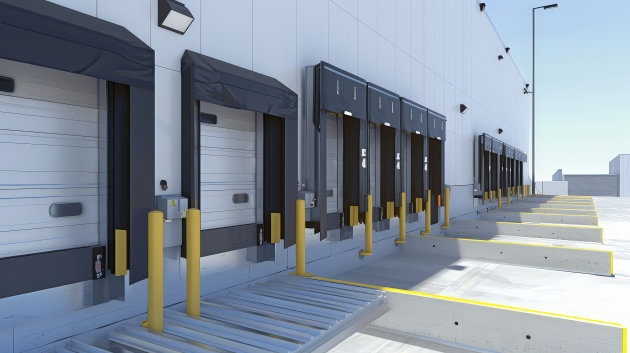
The next question became: “Where was all this sake going?” Destination quickly turned into a major driver for quality. Once sake was recognized as a perishable product, it was a race to the finish line. Whoever could deliver their sake most efficiently, “won the race.”
Shipments could arrive at ports in Los Angeles or Oakland (San Francisco Bay Area), and then be trucked to nearby cities. For New York City, two options existed: transporting sake across the country by refrigerated truck or rail, or shipping through the Panama Canal up the East Coast.
Beau reflected, “Over time, perishability became a talking point—a way for some importers to distinguish themselves from others. It even turned into a kind of competition over who could bring their sake to the U.S. the fastest.” Ironically, that very sense of competition also marked the beginning of accountability for sake freshness. The growing demand for quality sake in good condition helped build the cold chain infrastructure that exported sake still relies on today.
Education is the Key to Enjoying Sake
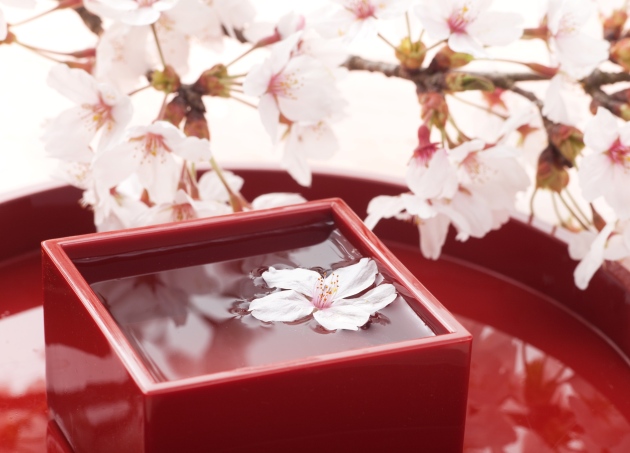
As the first retail store in America, True Sake has helped create lasting demand for seasonal sake, most of which are namazake. While many sake in Japan are commonly released season to season, no one in the U.S. knew about it at the time.
“It was unpasteurized sake that blew the whole paradigm,” Beau said. “Back then, we were still struggling just to sell the idea of cold or chilled sake, even when it was double pasteurized. People were attached to drinking sake warm.”
He continues, “We were fighting what I call the ‘hot sake blues.’ Hot sake was a comfort zone. The whole temperature paradigm still exists today.”
In the store’s early days, consumers naturally gravitated toward warm sake. Today, some people swing to the other extreme, assuming warm sake must be bad sake. Thanks to the efforts of True Sake and other early retailers, chilled sake and eventually namazake began to find their place.
Now, sake salespeople can confidently recommend styles suited for both warm and chilled service. Some sake can even be enjoyed across a range of temperatures, offering drinkers many options for pairing and presentation. That flexibility makes sake uniquely versatile in the world of alcoholic beverages.
Namazake is the Coolest Kid on the Sake Block
Sake has long been released seasonally in Japan, but in the U.S. this is a relatively recent phenomenon; one that continues to grow each year. Nowadays, namazake enjoys rising popularity and demand.
Mei Ho, General Manager of True Sake and Director of SAKE DAY SF (the shop’s annual event celebrating Nihonshu no Hi), has witnessed that evolution firsthand. Now 34, Mei has worked with True Sake for over 13 years and has seen remarkable changes in the sake industry, especially around namazake.

“When I first started working at the store as a salesperson,” she recalls, “spring and autumn were the main seasons when I noticed seasonal nama were available. Spring had around four releases and autumn brought six to eight. Summer had just two and winter had just one if any. Now we see so many more. These days, we easily get around 20 different seasonal nama across spring, summer, and fall. It’s a whole new game.”
Namazake has become a major opportunity for repeat sales. It offers beginners something new to learn about and gives regular consumers rotating selections to anticipate.
“They’re excited by the freshness,” Mei says, “and the idea that they’re getting something seasonal, something that won’t be here for long. There’s a sense of exclusivity and discovery that makes it feel special. Plus, the flavor profiles are so dynamic. It’s fun for experienced and beginner sake drinkers.”
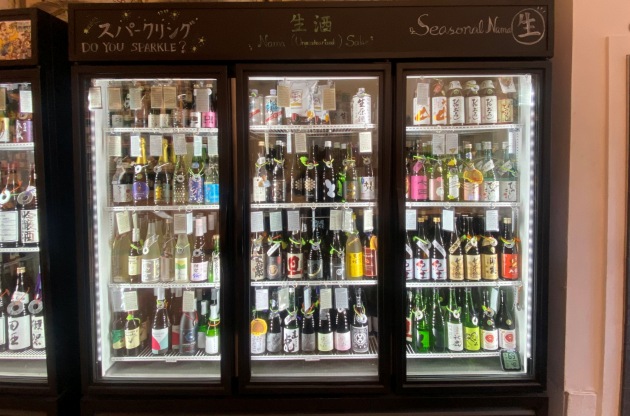
While namazake isn’t the store’s biggest seller, it gives customers a reason to come back and see what’s new. “Namazake makes up about 10 to 12% of our yearly sales,” Mei notes. “It’s not the largest slice of pie, but it’s a growing and passionate category with a lot of excitement behind it.”
Cold Chain Apprehension Creates Cold Feet
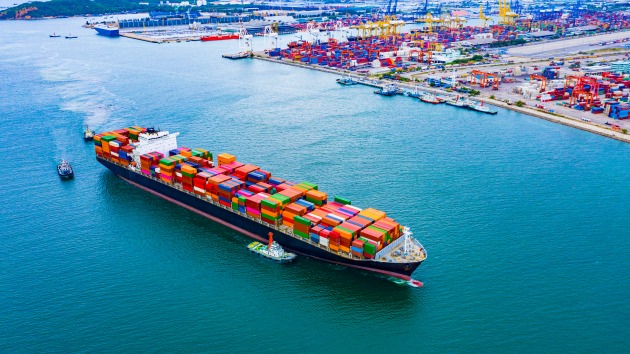
As more importers and distributors grow interested in shipping nama from Japan to the U.S., many express a mix of concerns and trepidation, especially for companies that primarily handle wine. Namazake requires special care, including refrigerated (reefer) shipping and cold-chain transport from port to warehouse. The entire process from Japan to the final destination in the U.S. can sometimes take 3-5 months.
Chris Cabrera, Assistant Manager at True Sake specializing in international sales notes that geography gives the West Coast a clear advantage when it comes to receiving the freshest sake:
“Namas in the San Francisco Bay Area come straight through the Port of Oakland. This is a direct throughline from Japan. Many sake distribution companies are nearby in cities like Fremont and Hayward which are perfectly positioned for these direct shipments.”
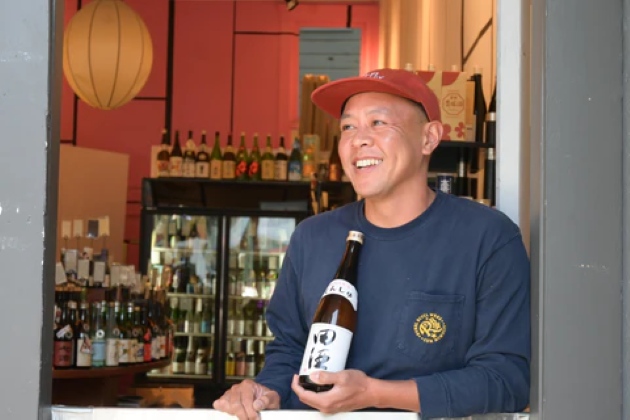
Respecting the ‘cold chain’ which consists of refrigerated shipping containers, trucks, and temperature-controlled warehouses has now become an expectation by sake breweries, even those exporting pasteurized sake. The challenge, however, is cost:
“Because maintaining the cold chain is expensive, some products are delivered at room temperature,” Chris explains. “A lot of the larger U.S. distributor/importer companies do not ship their sake cold. In contrast, Japanese companies more often keep all of their sake cold because they understand how sake behaves. Luckily, some of the more prestigious wine import/distribution companies that now handle sake are investing in proper cold-chain systems.”
Chris also sheds light on how some sake brewers perceive the American market:
“Lots of brewers have never set foot in the U.S., so they usually have a lot of questions. They don't know about our three-tier system (importer, distributor, on/off premise) and what that entails. They’re unsure who the American customer is or why they care about their products. They wonder why Americans want nama. There is still a lot of generalization about who the average American drinker is.”
Those lucky enough to try just bottled, locally made namazake know just how sensitive it can be, with its vivacious texture coming from live enzymes paired with its striking freshness.
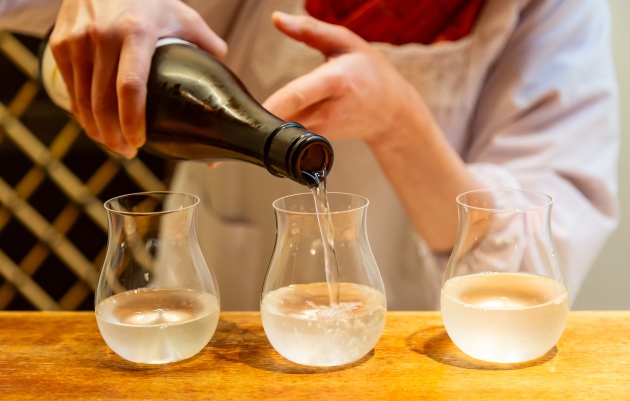
Kerry Jo Rizzo, True Sake’s Social Media Manager, mentions how nama differs between Japan and the United States.
“When I was first learning about namazake, before I ever visited Japan, I always identified evolved aromas of raw dough, yeast, and brioche as classic namazake indicators. But those aromas tend to develop during shipment, even when shipped in cold reefer. These aromas have become accepted and even appreciated by namazake consumers in the U.S.”
Where Nama is Headed into the Future
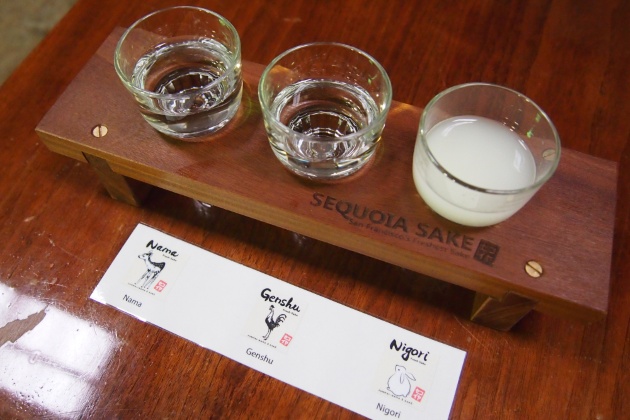
As nama continues to grow in popularity across the U.S., more styles and flavor profiles are emerging for drinkers to explore.
Zoe Hsu, a senior salesperson at True Sake, enjoys the complexity of many namazake. “Yeasty, fruity, and umami flavors are the beauty of nama. I always highly recommend them to natural wine lovers and new sake drinkers.”
Chris observed the rise of modern sake styles which are once-pasteurized expressions with a wine-like fruit-forwardness, refreshing textures, heightened acidity and a touch of effervescence.
“Spritzy modern styles are emerging for sure,” he says. Big, bold namas are no longer the only game in town. I like to ask customers about what kinds they enjoy, because the term nama can mean so many different types of things.”
He adds that new technology will bring further innovation in shipping and bottling:
“Importers are investing in cold supply chains, and brewers are exploring new caps and storage techniques to preserve freshness.”
Kerry Jo points out that local sake producers like Sequoia Sake and Den Sake Brewery in the Bay Area lead the way in fresh, locally made namazake.
“Even the bigger Japanese sake companies are becoming braver and experimenting with bottling namazake. Takara Sake USA in Berkeley now bottles its arabashiri at select times of year and serves it by the glass on special weekends. It excites long-term loyal customers and attracts younger drinkers through locally-made, fresh namazake!”
Mei believes nama has moved from an underground favorite to the spotlight: “We’ll see more breweries experimenting with combination nama styles like lightly cloudy, sparkling, or using unconventional yeasts or rice varieties. With drinkers craving more freshness and unique experiences, nama will keep growing.”
She adds, “We see almost cult-like followings for certain nama brands. What used to be a quiet niche category has turned into something people actively seek out, which is cool.”
Pickup Articles


2019.01.18

2019.01.25
Trending Articles


Popular Articles
Recent Articles